Your Complete Post-HIFU Skincare Routine: A Clinician's Guide
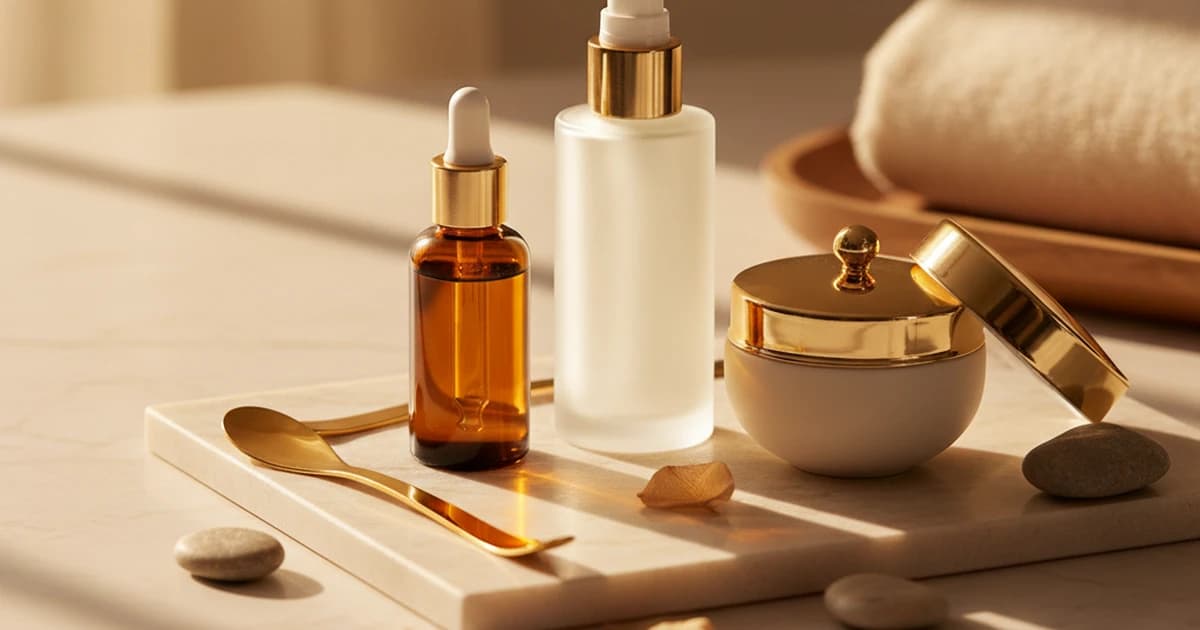
One of the most common questions I get after a HIFU treatment is: “What should I be putting on my face now?” It's a great question. Because while HIFU does the heavy lifting beneath the surface, what you do on top of your skin in the days and weeks that follow genuinely matters.
After 20 years working with ultrasound, I've seen firsthand how the right aftercare can amplify results, and how the wrong products at the wrong time can slow things down. This isn't about buying a dozen new serums. It's about being intentional with what you already own, and knowing when to use it.
Why Aftercare Matters More Than You Think
HIFU works by delivering focused ultrasound energy deep into your skin to stimulate collagen production. That process, called neocollagenesis, unfolds over weeks and months. Your body is doing real rebuilding work beneath the surface. The skincare you apply during this window either supports that process or gets in the way.
Think of it this way: HIFU starts the renovation, but your aftercare routine provides the building materials. Get that right and your results will be noticeably better, and longer lasting.
The First 48 Hours: Keep It Simple
Your skin has just received targeted ultrasound energy. It's not damaged, but it is working. The first two days are all about giving your skin space to respond.
Do:
- Cleanse gently with a mild, fragrance free cleanser. Nothing foaming or exfoliating.
- Apply a simple, hydrating moisturiser. Look for ingredients like hyaluronic acid, ceramides, or aloe vera.
- Wear SPF 50+ every time you step outside. Brisbane autumn sun is still strong enough to cause damage, even on overcast days.
- Drink plenty of water. Hydration is your skin's best friend during collagen rebuilding.
Avoid:
- Retinol, retinoids, and vitamin A serums. These are brilliant products, but too active for freshly treated skin.
- AHAs, BHAs, and chemical exfoliants. Your skin doesn't need resurfacing right now. It needs rest.
- Physical scrubs and exfoliating brushes. No buffing, no microdermabrasion cloths, nothing abrasive.
- Saunas, steam rooms, and very hot showers on the face. Excessive heat can increase inflammation unnecessarily.
- Heavy makeup. If you can go bare faced for a day or two, your skin will thank you. Mineral makeup is fine if you need coverage.
This isn't about being overly cautious. It's about letting your skin focus its energy on collagen production rather than defending itself against active ingredients.
Days 3 to 7: Start Supporting the Rebuild
By day three, your skin is settling into its collagen building phase. You can start reintroducing nourishing products, one at a time.
Add back in:
- Vitamin C serum. A stable vitamin C (like L-ascorbic acid or sodium ascorbyl phosphate) helps protect new collagen from free radical damage and supports skin brightness. Apply in the morning under your SPF.
- Niacinamide. This is a gentle, skin calming ingredient that strengthens your barrier and helps with evenness. It pairs well with everything.
- Peptide serums. Peptides signal your skin to produce more collagen. They complement what HIFU has already triggered beneath the surface.
Still avoid: Retinol and chemical exfoliants. Give these at least a full week before reintroducing.
Week 2 Onwards: Your Long-Term Routine
From week two, you can return to your regular skincare routine. If you use retinol, now is the time to bring it back, starting with every second night if your skin feels sensitive.
Here is the routine I recommend to my clients for the months following HIFU:
Morning:
- Gentle cleanser
- Vitamin C serum
- Hydrating moisturiser
- SPF 50+ (non-negotiable, every single day)
Evening:
- Double cleanse if you wore makeup or SPF (oil cleanser first, then your regular cleanser)
- Retinol or peptide serum (alternate nights if your skin prefers it)
- Niacinamide (if not in your serum already)
- Rich night cream or sleeping mask
This isn't groundbreaking. It's not an expensive 12 step routine. It's the basics, done consistently and at the right time. That consistency is what supports your HIFU results over the full 12 month collagen building timeline.
The SPF Question: Yes, Even in Autumn
I can't stress this enough. UV damage is the single biggest enemy of collagen. You've just invested in a treatment that stimulates collagen production. Skipping sunscreen undoes that work.
Brisbane's UV index stays moderate to high through autumn and even into winter. The relationship between sun exposure and collagen doesn't take a season off. Neither should your SPF.
Find an SPF you actually enjoy wearing. If you hate the texture, you won't use it. There are beautiful, lightweight formulas now that sit well under makeup and don't leave a white cast. Ask me at your appointment and I'm happy to recommend options.
Products I Get Asked About (and My Honest Take)
I don't sell skincare products at UltraGlo and I never will. I want my advice to be genuinely independent. So here are my thoughts on a few ingredients clients ask about regularly:
- Hyaluronic acid: Brilliant for post-HIFU. Lightweight, hydrating, works on all skin types. Use it from day one.
- Retinol: Excellent for long-term collagen support, but wait at least a week post-treatment. Start low and build up.
- Vitamin C: One of the best things you can pair with HIFU. Protects collagen, brightens skin, fights pigmentation.
- Collagen supplements (powders, capsules): The evidence is mixed. They won't hurt, but I wouldn't rely on them. Your body builds collagen best when it has the right signals (which HIFU provides) and the right building blocks from a balanced diet.
- Sheet masks: Fine for a hydration boost, but they're not a substitute for a consistent daily routine. Treat them as a nice extra, not a necessity.
What About Body Treatments?
The same principles apply to body HIFU treatments like stomach, arms, and thighs. Keep the area moisturised, avoid harsh scrubs for the first few days, and protect the skin from sun exposure if it's an area that gets UV contact.
Body skin tends to be less sensitive than facial skin, so most clients find the aftercare even more straightforward. Just keep it hydrated and let the collagen do its thing.
The Guarantee Connection
UltraGlo offers a 100% money back guarantee on all HIFU treatments. One of the conditions is that you follow the post-care advice I provide. This isn't a loophole. It's because aftercare genuinely affects your results. When you look after your skin properly, the treatment works better. It's that straightforward.
Your Takeaway Routine Card
Here is the simplified version you can screenshot or save:
Post-HIFU Skincare at a Glance
- Days 1 to 2: Gentle cleanser + hydrating moisturiser + SPF 50+. Nothing else.
- Days 3 to 7: Add vitamin C (morning) and niacinamide or peptides (evening).
- Week 2+: Resume your full routine including retinol.
- Always: SPF daily. Hydrate inside and out. Be consistent.
If you're not sure about your current routine or want personalised advice, just bring your products along to your appointment. I'm always happy to take a look and suggest what to keep, what to skip, and what might be worth adding.
Curious about what happens beneath the surface after treatment? Read my full breakdown of the week by week HIFU results timeline. And if you're considering your first session, my guide to what to expect on the day covers everything from arrival to walking out the door.
Ready to Get the Most Out of Your HIFU Results?
Book a free consultation at UltraGlo in Sunnybank Hills. I'll create a treatment plan tailored to your skin and walk you through exactly how to care for it afterwards.
Book Your Free ConsultationPooja Chandra is the founder of UltraGlo, a HIFU specialist clinic in Sunnybank Hills, Brisbane. She is a qualified Sonographer with over 20 years of experience in medical ultrasound and holds an Undergraduate Certificate in Dermal Interventions.